
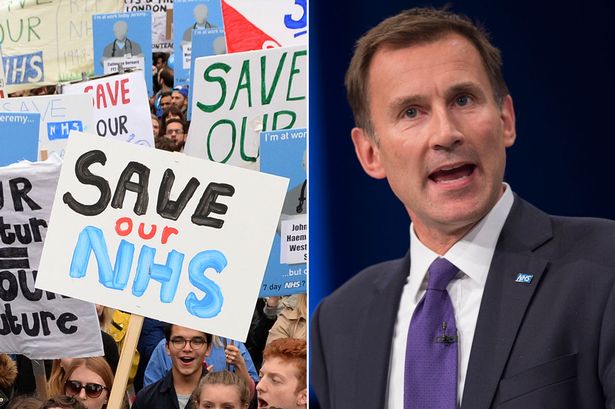
Junior Doctors strike yet again in their long-running dispute over new contracts.
The NHS and Junior Doctors are in Deadlock over the new work contract that is now being enforced upon workers.
According to the Health Secretary, Jeremy Hunt there have been 75 meeting between the parties in order to solve the deadlock without success.
Deadlocks occur frequently in negotiations. This could be because one or more of the parties feel their needs aren’t being met or as part of a deliberate tactic.
How to react to a deadlock
- Don’t tell the other party that their views are wrong
- Demand a change on the other’s viewpoint
- Don’t get personal
All these responses will do is exacerbate the situation.
- Don’t make any concessions in the negotiations in order to solve the deadlock as it will just inform the other party that they can reuse the tactic again to get what they want.
- Stop looking at the content of the negotiation and concentrate on the process. Can you change the process in some way which suggests to the other side that there is movement towards their views?
Deadlock breaking options
- Take a break in order to reduce tension
- Go off-the-record
- Confirm areas of agreement
- Attempt to redefine issues by breaking them down into smaller elements
- Review the alternatives and consider implementing one for a trial period
- Set up a separate team with a short time frame to look at solutions
- Consider changing negotiators as fresh faces might make new progress
- Brainstorm ideas to break the deadlock
Concessions given to break a deadlock need to be given only after the impact has been fully calculated for both parties.
Something small to you might be massive to the other side. Know your ‘opponent’ inside out in order to understand the impact anything to concede.
Need help on negotiating skills? We can help. Contact me for more information.