
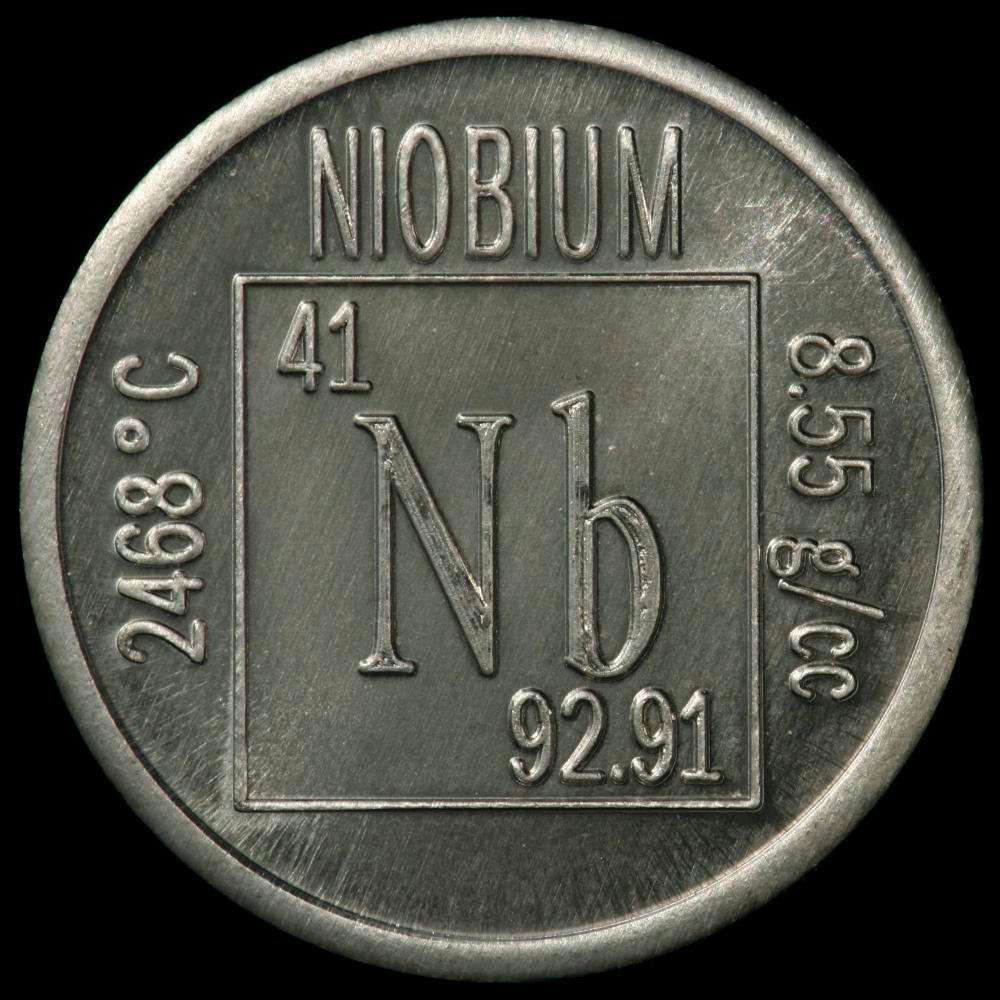
1kg of niobium added to 1t of steel makes an alloy so strong that were it to be used to rebuild the Eiffel Tower, the new tower would weigh under a third of its current 7000t
Niobium along with cobalt, indium, gallium and tantalum are rare metals used in tiny quantities in a wide range of everyday equipment.
Indium tin oxide conducts the pinches and swipes of our fingers on smartphone screens.
Neodymium is used in the tiny magnets which convert electrical signals into recognisable voices over the phone.
Even electric toothbrushes use rare metals in their magnets requires to make the brush head rotate.
Our drive for gadgets is expected to drive up the demand for such metals fivefold in the next 30 years.
This is dwarfed by the demand in green technology.
Indium is essential for wind turbines and photovoltaic cells. Lithium is needed in the batteries required to store green energy.
Where do these rarest elements come from? If demand is set to spike how will supply manage to keep up? New mines are risky ventures as they are expensive and can take many years to start yielding product. Substitution is almost impossible as these metals have unique properties and recycling is unsustainable due to the small amounts used.
Add into the mix the location of deposits (Congo, Afghanistan and China) which hardly offer a stable basis for exploration and lax environmental controls and the technology we rely on so much has to be seen as ‘portable pollution’.
Our drive for portable and green technologies might be prefaced by an increase in damaging mining across parts of the world.
Think twice before getting that new smartphone!